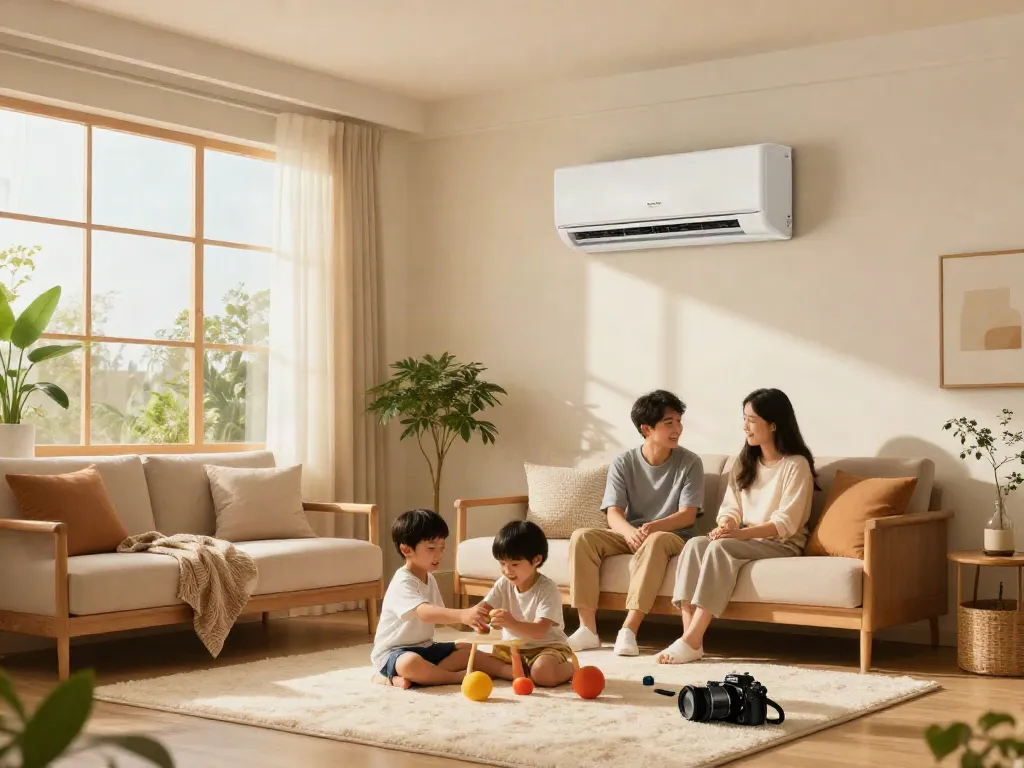
Understanding the 18000 BTU Mini Split: Features and Benefits
As homeowners seek efficient and versatile cooling solutions, the 18000 btu mini split emerges as a premium choice for both comfort and energy savings. These ductless systems are designed to provide targeted cooling and heating for medium to large spaces, making them ideal for residential and commercial applications alike. In this article, we will comprehensively explore the features and benefits of 18000 BTU mini split systems, providing you with the insights needed to choose the right model for your needs.
What is an 18000 BTU Mini Split?
An 18000 BTU mini split is a powerful heating and cooling system that utilizes a refrigeration cycle to control temperature in living spaces. The term "BTU" stands for British Thermal Unit, a standard measure of thermal energy, indicating that these units can efficiently move 18,000 BTUs of heat energy per hour. Mini splits are typically composed of two main components: an indoor air handling unit and an outdoor condensing unit. This design allows for flexibility in installation and eliminates the need for ductwork, which can be cumbersome and inefficient.
Key Features of 18000 BTU Mini Splits
- Energy Efficiency: Many models boast high Seasonal Energy Efficiency Ratios (SEER), making them eco-friendly and cost-effective options compared to traditional HVAC systems.
- Multi-Zone Capability: Some mini split systems can support multiple indoor units connected to a single outdoor unit, allowing homeowners to customize the climate in different areas of their home.
- Quiet Operation: Designed to operate at low noise levels, mini splits provide cooling and heating without the disruptive sound typical of conventional HVAC systems.
- Smart Technology: Many newer models feature Wi-Fi connectivity for remote control via smartphone apps, enhancing convenience and energy management.
Benefits of Using an 18000 BTU Mini Split
Investing in an 18000 BTU mini split offers numerous advantages:
- Versatility: Excellent for a variety of spaces including living rooms, larger bedrooms, and insulated garages.
- Improved Indoor Air Quality: Unlike traditional systems that can circulate dust and allergens, mini splits use advanced filtration to improve air quality.
- Flexible Installation: Installation can often be completed with minimal disruption to your home’s structure, thanks to the absence of ductwork.
- Cost Savings: The energy efficiency of mini splits translates to lower utility bills, making them a financially wise long-term investment.
Choosing the Right Mini Split for Your Space
Selecting the appropriate mini split system involves careful consideration of your specific requirements, including room size, insulation quality, and personal comfort preferences. Understanding how to calculate your cooling needs is crucial in making an informed decision.
Calculating Your Cooling Needs
To determine the required BTUs for your space, you should consider several factors:
- Room Size: Measure the square footage of the area you wish to cool or heat. An 18000 BTU unit is effective for areas up to 1250 square feet depending on insulation and exposure to sunlight.
- Insulation Quality: Well-insulated spaces may require less cooling power, while poorly insulated ones will need additional BTUs.
- Sun Exposure: Rooms with significant sun exposure will require more BTUs to maintain comfortable temperatures.
Comparing 18000 BTU Mini Split Models
When evaluating different mini split models, consider factors like energy efficiency ratings, features, price, warranty, and customer reviews. Popular brands like Senville, Della, and MRCOOL offer a variety of options tailored to specific needs.
Common Misconceptions About Mini Splits
Despite their growing popularity, several misconceptions persist about mini splits. For instance, some believe they are only effective in mild climates; however, many models are built to handle extreme temperatures. Additionally, the perception that mini splits are overly complicated to install is often based on outdated information.
Installation and Maintenance Tips
Proper installation and maintenance are crucial for maximizing the lifespan and efficiency of your 18000 BTU mini split. Understanding whether to opt for professional installation or a DIY approach is essential.
Professional vs. DIY Installation
While DIY installation may save upfront costs, it often requires specific tools and knowledge, particularly regarding electrical and refrigeration systems. Hiring a professional ensures compliance with local codes, optimal placement, and maximum efficiency. For those comfortable with installations, following the provided manufacturer guidelines is key to successful deployment.
Regular Maintenance Practices for Mini Splits
To keep your mini split running efficiently, regular maintenance is essential. This includes:
- Cleaning or replacing air filters regularly to enhance air quality and efficiency.
- Checking and clearing the outdoor unit from debris and obstructions.
- Scheduling annual professional inspections to ensure optimal performance and longevity.
Understanding Warranty and Support Options
Before purchasing, it's vital to review warranty terms and customer support options. Many leading mini split manufacturers offer robust warranties, covering parts and compressors for up to 10 years, which adds peace of mind as you make your investment.
Energy Efficiency and Cost Savings
As energy costs continue to rise, the importance of energy-efficient systems cannot be overstated. Understanding how SEER ratings and energy-saving technologies contribute to long-term savings is critical for homeowners.
Understanding SEER Ratings for Mini Splits
The Seasonal Energy Efficiency Ratio (SEER) measures the cooling output of an air conditioner divided by the energy it consumes over a typical cooling season. An 18000 BTU mini split with a higher SEER rating (usually above 16) will consume less energy, allowing you to save significantly on utility costs.
How 18000 BTU Mini Splits Save Energy
These systems save energy through various mechanisms, including:
- Inverter Technology: Allows the compressor to adjust its speed to meet cooling or heating demands, reducing energy consumption.
- Zone Control: Enables targeted heating and cooling in specific areas, reducing waste in unoccupied rooms.
Calculating Long-Term Savings
To gauge the long-term economic benefits of an 18000 BTU mini split, consider comparing your current HVAC system's energy costs with projections for the mini split. Factor in installation costs, potential rebates for energy efficiency, and how much you can expect to save monthly on energy bills.
Future Trends in Home Cooling Solutions
As technology evolves, so do the solutions for home heating and cooling. Staying informed about emerging technologies can help homeowners make better decisions regarding HVAC investments.
Emerging Technologies in Mini Splits for 2026
Future mini split systems are expected to incorporate advanced features such as enhanced HVAC integration with smart home systems, improved refrigerants with lower global warming potential, and greater overall energy efficiency due to advancements in design and functionality.
Environmental Impact of Mini Splits
Mini splits are becoming increasingly attractive due to their reduced environmental footprint. The shift from traditional refrigerants to low-GWP (Global Warming Potential) alternatives is a critical step toward more sustainable home heating and cooling solutions.
Consumer Preferences and Market Trends
As more consumers seek eco-friendly solutions, the demand for energy-efficient mini splits continues to grow. Features such as remote access, adaptability to smart home ecosystems, and significant cost savings will likely drive future purchases.
What size space can an 18000 BTU mini split cool?
Typically, an 18000 BTU mini split can efficiently cool areas between 550 and 1250 square feet, depending on insulation and layout considerations.
Are 18000 BTU mini splits energy-efficient?
Yes, most 18000 BTU mini splits come with high SEER ratings, making them more energy-efficient compared to traditional air conditioning systems.
Can I install a mini split myself?
While DIY installation is possible, it’s recommended to hire a professional to ensure proper setup and compliance with local regulations.
What maintenance do 18000 BTU mini splits require?
Regular maintenance includes cleaning filters, checking for debris around the outdoor unit, and scheduling annual inspections.
How do I choose the best brand of mini split?
Consider factors such as energy efficiency ratings, customer reviews, warranty terms, and the availability of customer support when choosing a brand.