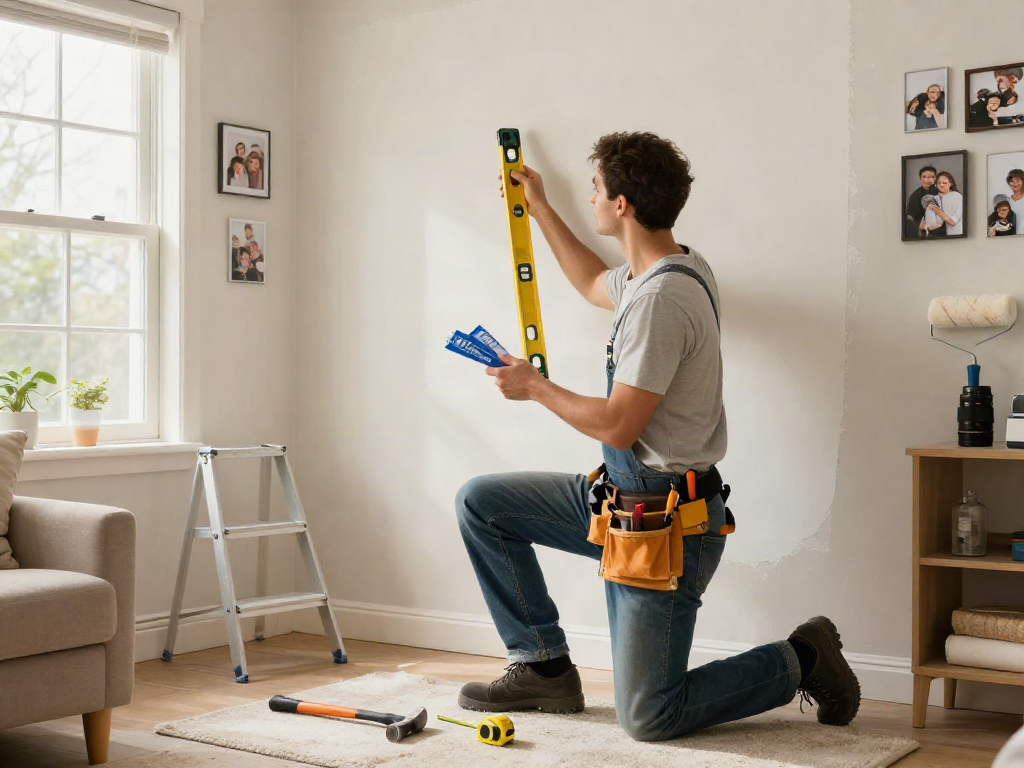
Understanding Home Repair Services Des Moines Iowa
Homeownership comes with its unique set of responsibilities and challenges, especially when it comes to maintaining and repairing your property. In Des Moines, Iowa, where seasonal weather changes can take a toll on homes, understanding home repair services Des Moines Iowa is essential for homeowners. This article will explore the types of home repair services available, how to assess your repair needs, and the value of hiring professional help.
Types of Home Repair Services Offered
Home repair encompasses a broad spectrum of services aimed at keeping a home in optimal condition. In Des Moines, common services include:
- Roof Repair: Addressing leaks, shingle replacement, and general roof maintenance.
- Plumbing Services: Fixing leaks, clogged drains, and pipe installations.
- Electrical Repairs: Troubleshooting electrical issues, rewiring, and installing fixtures.
- HVAC Services: Repairing heating and cooling systems to ensure comfort year-round.
- Drywall Repair: Fixing holes, cracks, and water damage.
- Exterior Repairs: Maintaining siding, windows, and doors.
Each of these services requires specialized knowledge and expertise. Homeowners should evaluate their specific needs to determine which services apply to their situation.
Assessing Your Home Repair Needs
Before engaging a repair service, it’s crucial to assess your home’s condition. Consider the age of your home, previous repairs, and any visible signs of wear. Create a list of necessary repairs and prioritize them based on urgency and impact. For example, a leaking roof should take precedence over aesthetic upgrades. Additionally, regular maintenance checks can help prevent larger issues down the line.
The Importance of Hiring Professionals
While DIY projects can save money, they can also lead to costly mistakes if not done correctly. Professional repair services ensure that work is completed safely, efficiently, and to code, which can ultimately save homeowners money and time. Professionals possess the expertise to handle complex repairs, identify underlying issues, and provide warranties that protect the homeowner’s investment.
Cost Factors in Home Repair Services
Understanding the costs associated with home repair services is critical for budgeting. Prices can vary widely based on several factors, including the complexity of the job, materials used, and labor rates in the Des Moines area.
Material Costs: What to Expect
Material costs can significantly affect the overall price of home repairs. Common materials include:
- Wood: Used for framing and structural repairs, costs can vary based on type and availability.
- Drywall: Depending on thickness and quality, prices will differ.
- Roofing Materials: Options range from asphalt shingles to metal roofing, each with different costs associated.
- Plumbing Fixtures: The choice of faucets, sinks, and toilets can impact the total expense significantly.
Homeowners should research materials before committing to a project, as high-quality materials may save money in the long run due to durability.
Labor Costs: Understanding Service Charges
Labor costs typically make up a substantial part of the total repair expenses. In Des Moines, contractors may charge by the hour or offer flat rates for specific services. Factors influencing labor costs include the contractor’s experience, the complexity of the job, and the time commitment required. It's advisable to obtain multiple quotes to ensure competitive pricing.
Hidden Costs in Home Repairs
Hidden costs can derail a home repair budget. These may include:
- Permit Fees: Some repairs require permits, which can add to overall costs.
- Unexpected Repairs: Discovering underlying issues during a project can lead to additional expenses.
- Cleanup Costs: Consider the expenses associated with waste removal or site cleanup after repairs.
Being prepared for potential hidden costs can help homeowners manage their budgets more effectively.
Comparative Analysis of Local Home Repair Services
With numerous home repair companies in Des Moines, evaluating available services can be daunting. Here, we’ll analyze service packages, customer feedback, and value for money in comparison to other local providers.
Analyzing Service Packages in Des Moines
Different contractors offer varying service packages, from basic repairs to comprehensive maintenance plans. When reviewing service packages, homeowners should look for:
- Scope of Services: Ensure the package covers all necessary repairs.
- Warranty: A good warranty protects against future issues.
- Flexibility: Check if the service allows adjustments based on changing needs.
Comparing these elements can help homeowners find the best fit for their needs.
Evaluating Customer Reviews and Ratings
Customer feedback is an invaluable resource for assessing the quality of home repair services. Homeowners should check online reviews on platforms like Google and Yelp, focusing on:
- Consistency: Look for patterns in positive or negative feedback.
- Specific Feedback: Evaluate comments regarding punctuality, professionalism, and quality of work.
- Response to Complaints: A company's willingness to address issues can indicate good customer service.
Using this information helps homeowners make informed decisions about which contractors to hire.
Competitor Analysis: Who Offers the Best Value?
In a competitive market, identifying which providers offer the best value for money is crucial. Here’s how to conduct an effective competitor analysis:
- Compare Pricing: Analyze the pricing structures of various service providers.
- Service Quality: Use customer reviews to gauge quality against price.
- Inquire About Experience: Established contractors may offer better quality based on years in the industry.
By systematically assessing these factors, homeowners can select the right service at a fair price.
Best Practices for Homeowners
Homeowners play a crucial role in facilitating successful home repairs. By following best practices, the repair process can be streamlined and effective.
How to Prepare for Home Repairs
Preparation is key to successful home repairs. Here are some steps to take:
- Clear the Work Area: Ensure easy access for contractors.
- Communicate Clearly: Discuss your expectations and budget upfront.
- Document Everything: Keep records of quotes, contracts, and communications.
A well-prepared homeowner can make the repair process smoother and less stressful.
Questions to Ask Your Home Repair Contractor
Before hiring a contractor, it's essential to ask the right questions to ensure they are the right fit for your project. Consider asking:
- What is your experience with similar projects?
- Can you provide references?
- What is included in your estimate?
- How will you handle unexpected issues?
These questions can unveil important information about the contractor's reliability and expertise.
Maintaining Your Home Post-Repair
After repairs are completed, proper maintenance is vital to prolong the lifespan of the work done. Tips include:
- Regular Inspections: Schedule periodic checks on areas that have been repaired.
- Follow-Up with Contractors: Address any concerns as soon as possible.
- Document Maintenance: Keep a log of all maintenance work performed.
Maintaining a proactive approach can prevent future issues and preserve home value.
Future Trends in Home Repair Services by 2026
As we look ahead, several trends are shaping the home repair industry in Des Moines and beyond. These trends will influence how homeowners approach and manage repairs in the future.
Emerging Technologies in Home Repair
Innovative technologies are enhancing home repair services. Some trends to watch for include:
- Smart Home Integration: Devices that monitor home conditions can alert homeowners to potential issues.
- 3D Printing: This technology is poised to revolutionize parts replacement.
- Drones: Used for roof inspections and assessing hard-to-reach areas safely.
As these technologies become mainstream, homeowners will benefit from increased efficiency and accuracy in repairs.
Shifting Consumer Preferences and DIY Trends
While many homeowners are opting for professional services, the DIY trend remains strong. More individuals are taking on small repairs and improvements themselves, often inspired by online resources and tutorials. This shift may lead to:
- Increased Demand for DIY Classes: Learning basic repair skills can empower homeowners.
- More Hybrid Approaches: Combining DIY efforts with professional help for larger projects.
Understanding this trend allows contractors to cater to varying homeowner preferences effectively.
Sustainability in Home Repair Services
With growing environmental awareness, sustainability is becoming a crucial aspect of home repairs. Emphasis on eco-friendly materials and practices is likely to increase. Homeowners can expect:
- Use of Recycled Materials: Many contractors will offer sustainable material options.
- Energy-Efficient Solutions: Incorporating energy-efficient products in repairs can reduce utility costs.
Adopting sustainable practices not only benefits the environment but can also enhance a home's resale value.
What Are Typical Home Repair Costs?
Typical costs for home repairs can vary greatly depending on the service rendered, but some average estimates for common repairs include:
- Roof Repairs: $300 - $1,500
- Plumbing Repairs: $150 - $500
- Electrical Work: $150 - $800
Understanding these costs helps homeowners plan their budgets effectively.
How Can I Save on Home Repairs?
Saving on home repairs is possible with proactive measures. Here are some tips:
- Regular Maintenance: Address issues before they escalate.
- Seasonal Inspections: Schedule routine checks for your roof, HVAC, and plumbing systems.
- Ask for Discounts: Some contractors offer discounts during off-peak seasons.
By being strategic, homeowners can significantly reduce repair expenses.
What Should I Consider Before Hiring a Contractor?
Before hiring a home repair contractor, consider the following factors:
- Licensing and Insurance: Ensure they have the required licenses and insurance for your state.
- Reputation: Investigate their track record through reviews and references.
- Estimates: Get multiple quotes to understand the average market rate.
By carefully reviewing these elements, homeowners can make informed selections that lead to successful repair outcomes.
Are Home Repairs Tax Deductible?
While most home repairs are not tax-deductible, some improvements related to energy efficiency may qualify for tax credits. Consult a tax professional to navigate these complexities.
How Do I Choose Quality Repair Services?
Choosing quality repair services involves thorough research. Look for:
- Experience: The number of years in business can indicate reliability.
- Certifications: Specific certifications can provide assurance of expertise.
- Clear Contracts: Contracts should clearly outline scope, costs, and timelines.
Being diligent in the selection process ultimately leads to better repair outcomes.